Essay
7
min read
The paradox of the productivity tool
Every app that promises to save your time demands some of it first. We think about this contradiction constantly — here's where we've landed.
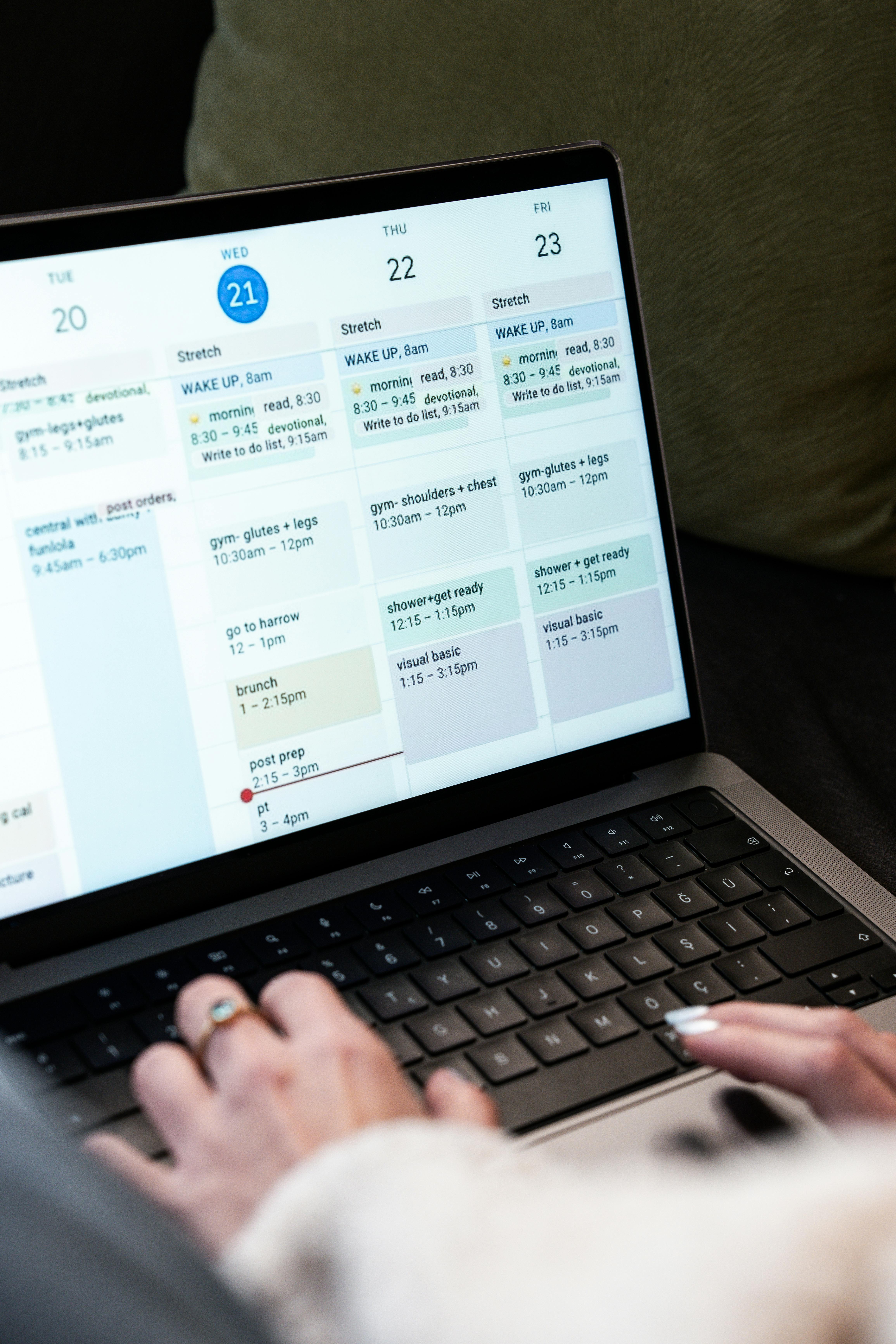
There is a moment in the lifecycle of every productivity enthusiast where the system becomes more important than the work. I know this because I lived it. I had a database for my tasks, a networked graph for my notes, and a complex tagging taxonomy that took 15 minutes to update every morning.
I wasn't doing deep work. I was playing office.
The management tax
We've entered an era where our tools ask too much of us. They demand to be customized, themed, linked, and maintained. They offer infinite flexibility, which sounds great in marketing copy, but in practice, infinite flexibility just means infinite decision fatigue.
Every time you have to decide which view to use, which tag to apply, or which board to open, you are spending the very cognitive energy the tool was supposed to save.
A tool that requires 20 minutes of daily maintenance isn't a tool. It's a part-time job.
Subtraction as a feature
When we designed Quietflow, our guiding principle was subtraction. If a feature required the user to make a decision about how to use it, we cut it.
We wanted to build software that felt opinionated. It should know how it wants to be used.
What we removed:
Custom color coding (color coding implies a hierarchy you have to remember)
Infinite nesting of sub-tasks (if a task has 5 levels of sub-tasks, it's a project)
Status boards (the status is either "doing" or "done")
The quiet interface
A good interface should recede. It should feel like a well-organized physical desk—everything you need is within reach, but the desk itself isn't demanding your attention. The work is what matters. The tool is just the glass you're looking through.
Keep reading.

Stay in the quiet.
Fourteen days free. No card. Cancel by closing the tab — we won't email you about it.